
British rock bands didn’t just make records, they made scenes, with sound systems and subcultures attached. You can split the lineage into waves: the blues-driven 60s, the punk explosion of the late 70s, and the shoegaze and Britpop years that followed. Each wave reacted against the one before it, which is why UK rock never sits still for long. That restlessness is the actual throughline, more than any single guitar tone or vocal style.
The Eras That Define British Rock
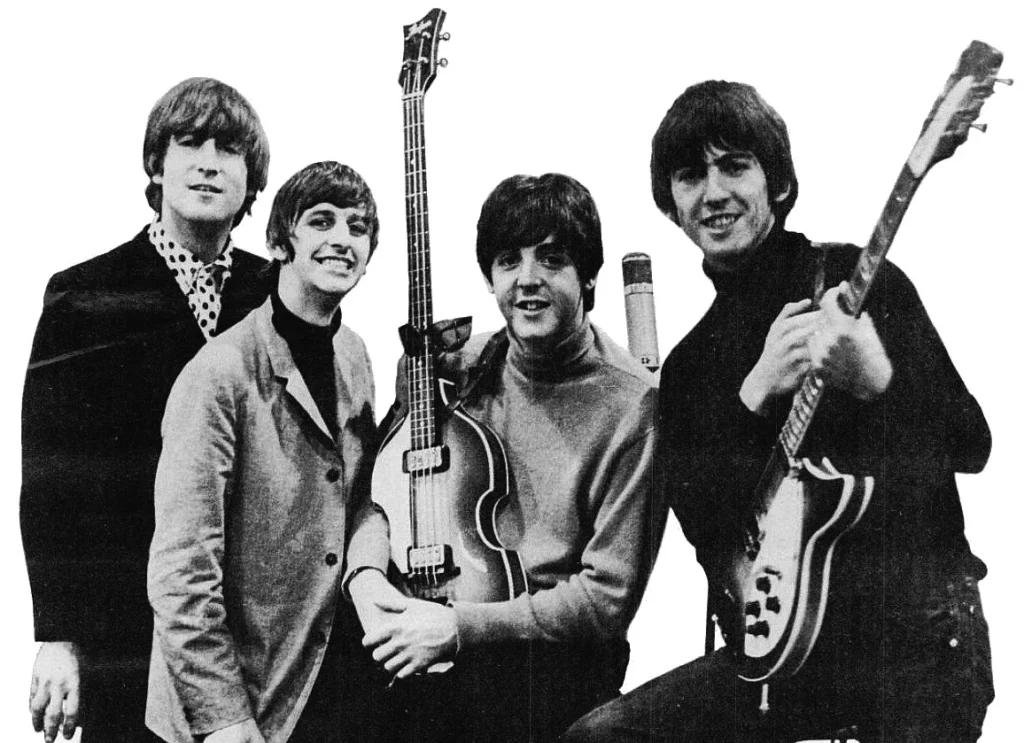
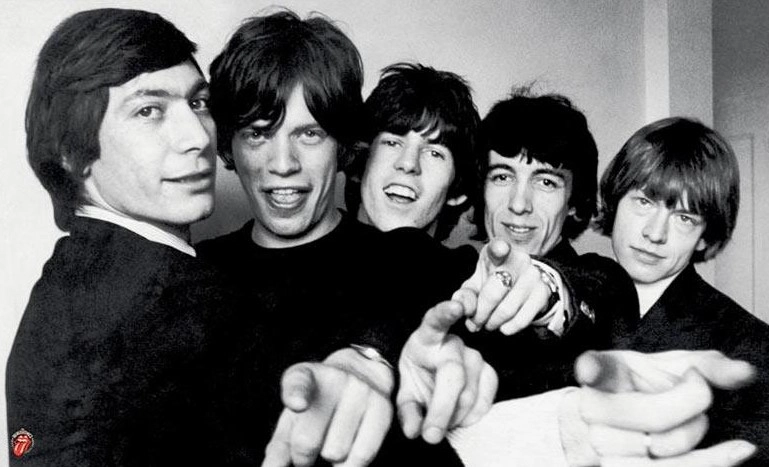
The 1960s gave you blues-rock pioneers who took American sounds and roughened them up with grit and volume. Punk arrived in 1976 and tore the rulebook apart, prioritizing speed and attitude over technical skill. By the late 80s and early 90s, bands swung the other direction entirely, building dense walls of distortion instead of stripping things down.

Sounds Worth Tracking Down First
You’ll get the fastest education by working through a handful of defining records rather than scrolling endless playlists. Start with the blues-rock originators if you want to understand where the guitar tones came from. Move into punk for the energy, then shoegaze for the opposite extreme: slow, layered, and immersive. Cross-reference with what’s happening in post punk bands today, since the genre keeps feeding new British rock acts.