What is shoegaze, in one sentence? It’s guitar-driven rock where distortion and reverb matter more than a clear vocal line. You won’t hear a frontperson commanding the stage, you’ll hear a band disappearing into its own sound. The genre emerged in the UK in the late 1980s, built by guitarists who treated pedals as compositional tools rather than accessories. It rewards close listening over singalongs, which is exactly why it never dominated the charts the way punk or Britpop did.
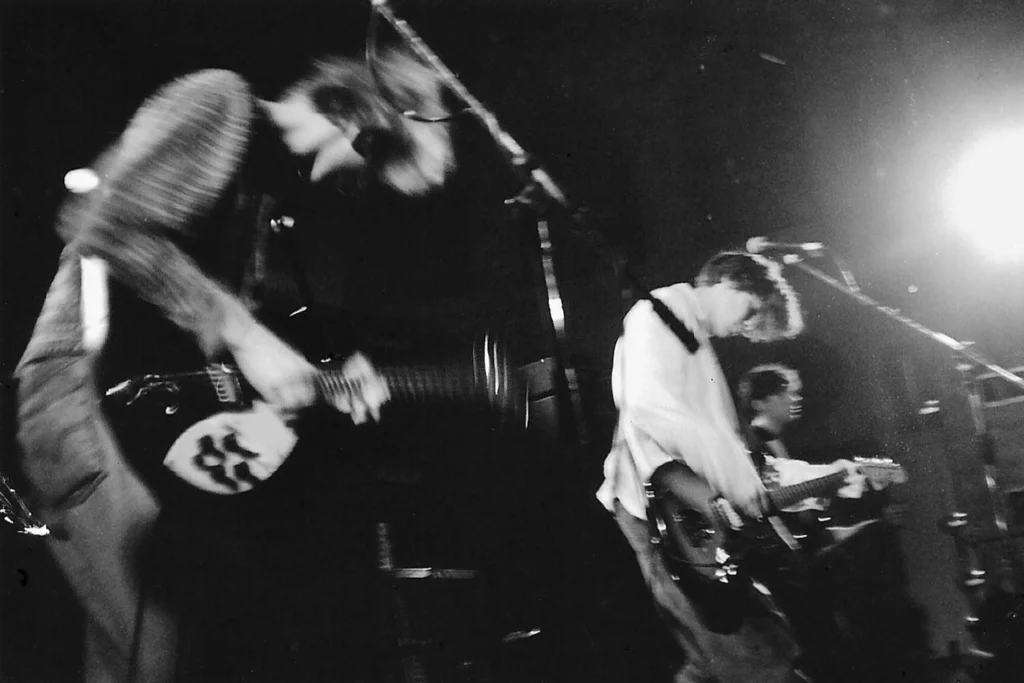
How The Sound Actually Gets Made
Layered guitars are the foundation, often two or three tracks of fuzz and reverb stacked on top of each other. Vocals get pushed down in the mix on purpose, treated as another texture instead of the lead element. Tremolo and delay pedals stretch notes out until individual chords blur into a continuous drone. Drums stay steady and unfussy, giving the chaos above something solid to sit on. You end up with a sound that feels more like immersion than performance.
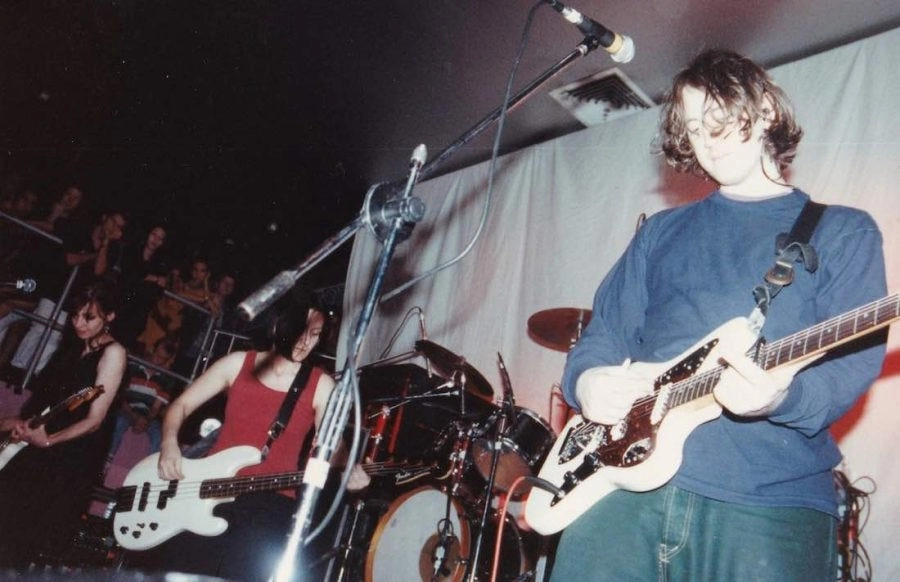
Where The Name And The Scene Came From
Music journalists coined the term as a dig, mocking guitarists who stared at their effects pedals instead of the crowd. The label was meant as an insult, but the scene wore it without complaint. Early shows in London clubs drew small but devoted crowds who valued volume and atmosphere over showmanship. That same blueprint shows up today whenever a band leans on texture over technique.